







Search Results for: Paired with Ice Water
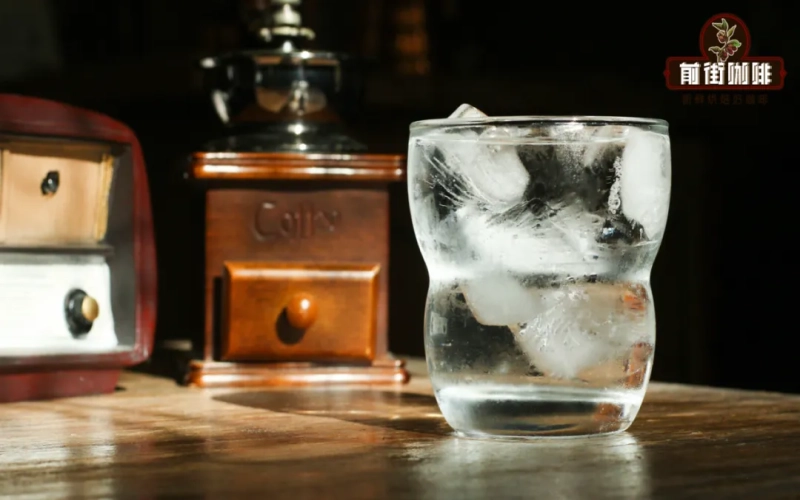
The Mystery of Espresso Paired with Ice Water: A Complete Analysis from Palate Cleansing to Flavor Perception
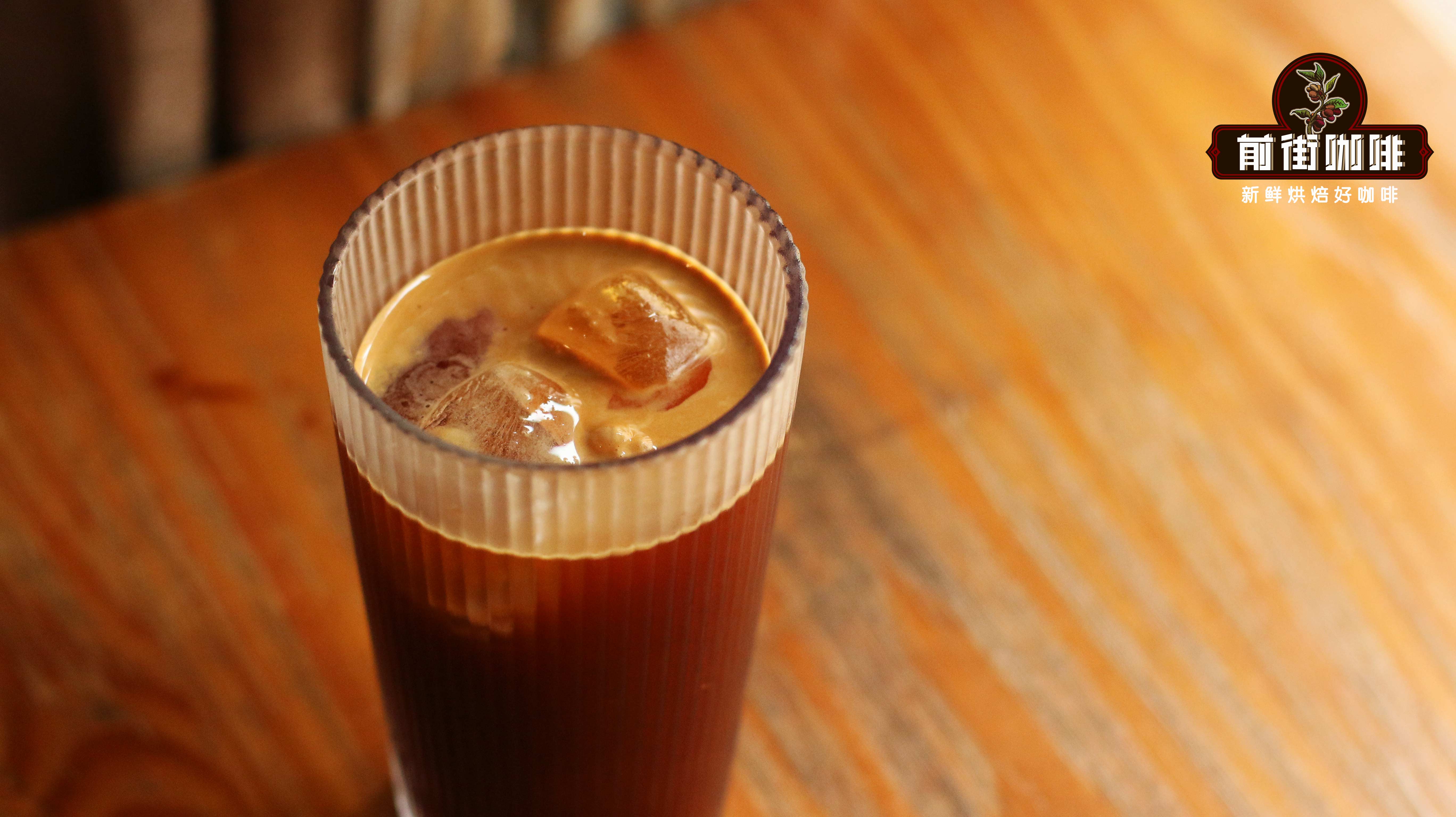
When you order an espresso at a coffee shop, it is often served with a small glass of ice water. This seemingly simple pairing actually embodies the scientific principles of coffee tasting. The ice water does not directly clean the palate; rather, it stimulates saliva production through the cold temperature, and the enzymes in the saliva help clear residual particles from the mouth, allowing us to perceive the coffee's flavors more accurately. This is especially true for the highly concentrated espresso, where lingering volatile compounds in the mouth can interfere with the taste buds and retronasal olfactory judgment. Drinking ice water beforehand can effectively enhance flavor perception. This article will provide an in-depth analysis of the mechanism by which ice water functions in coffee tasting, and how this small gesture can help you experience the aroma and layers of the coffee itself more fully. [Image 1] [more…]

Americano | How can coffee beginners make a delicious iced Americano? What should be noted when making iced Americano? What coffee ratio is suitable for iced Americano?
Honestly, making an iced Americano is a very simple thing—we just need to pour the extracted espresso into prepared ice water, and the iced Americano is done. But, just like the view Front Street Coffee has always shared, making it is simple, but making it well is relatively difficult. Iced Americano [more…]
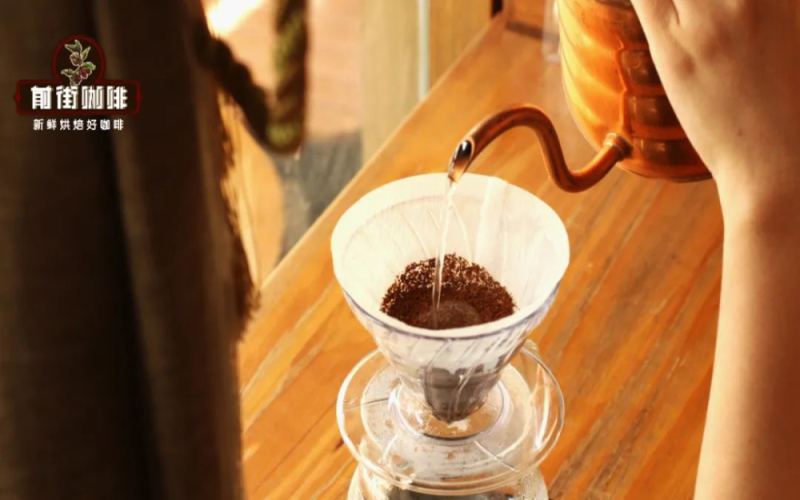
How to Make Iced Pour-Over Coffee? Front Street Shares a Universal Formula and a Detailed Guide to the One-Pour Iced Brewing Method
A glass of iced pour-over in summer always brings a uniquely refreshing experience, but many coffee enthusiasts encounter all kinds of questions when trying to recreate it at home: How should the coffee-to-water-to-ice ratio be balanced? What water temperature should be used? What are the key points of the pouring technique? Drawing on practical experience from its stores, Front Street Coffee has summarized a simple and easy-to-follow universal formula for iced pour-over—coffee grounds paired with 10 times hot water and 5 times ice—and also provides a grind size adjustment plan to address the problem of under-extraction. In addition, it has also compiled Mr. Tetsu Kasuya's "one-pour iced pour-over" method, which is more direct to perform and suitable for friends seeking convenience. The full text covers specific parameters, operating steps, and flavor descriptions to help you easily make café-quality iced pour-over. [more…]

An Analysis of the Differences Between Ice Drip and Cold Brew Coffee: From Historical Origins and Brewing Methods to Coffee-to-Water Ratios and Flavor Profiles
Ice drip coffee and cold brew coffee both belong to the category of cold-brewed coffee, yet they differ markedly in historical background, extraction equipment, operating procedures, and final flavor. Ice drip coffee originated from a local Indonesian brewing method and was improved by Kyoto's Hanabusa Coffee before spreading worldwide; it uses an ice drip tower for layer-by-layer filtration, taking 6 to 8 hours. Cold brew coffee, by contrast, is made by steeping in a container and letting it rest at low temperature for 12 to 24 hours. In this article, Front Street Coffee documents the ice drip process in detail, with a coffee-to-water ratio of 1:10, and shares several blending bean options, while also comparing the flavor differences between ice drip and cold brew made with Huakui beans. The article also discusses the controversy over the caffeine content of ice drip coffee, helping coffee enthusiasts gain a comprehensive understanding of the respective characteristics of these two cold-brewed coffees. [more…]

HEYTEA City-Exclusive Food and Tea Crossover Roundup: Localized Innovation from Coconut Chicken Hot Pot to Sichuan Spicy Fairy Dew
In recent years, Heytea has continuously pushed the boundaries of tea drinks, from cross-brand collaborations to incorporating each city's signature foods into beverages and baked goods, launching a series of unexpectedly creative limited-edition products. Shenzhen's coconut chicken hot pot, Guangzhou's rice roll cake, Changsha's mini clay pot bubble rice wine, Chengdu's Sichuan spicy fairy dew… each one precisely captures the taste memories of local people. These products are not only wildly imaginative but also build emotional resonance by awakening shared city memories. This article will comprehensively review the limited-edition items Heytea has launched in various cities and explore the communication logic and secrets behind its "neglecting its proper business." [more…]
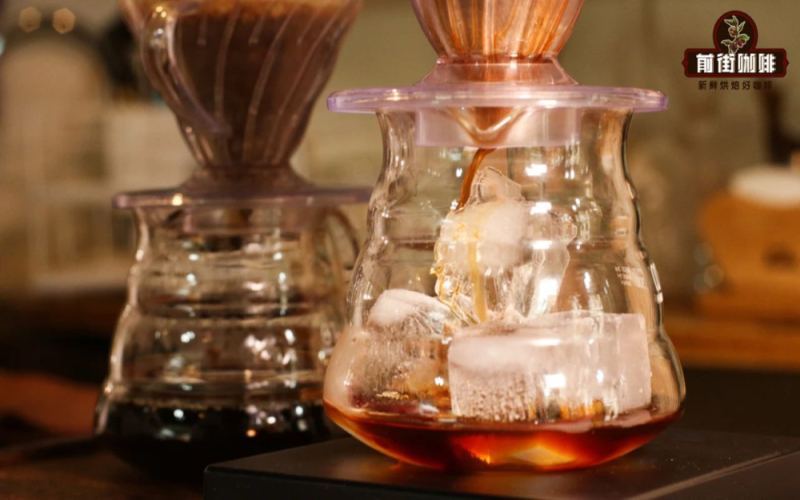
Iced Pour-Over Coffee Recipe and Practical Comparison: How a 15g Dose Ratio and Ice Addition Order Affect Flavor
Iced pour-over coffee has gained popularity among many enthusiasts in recent years, but the details during brewing often determine the final flavor direction. Front Street Coffee uses 15 grams of coffee grounds and a 1:10 coffee-to-water ratio as the foundation, paired with 100 grams of ice for cooling and dilution, and conducts a side-by-side comparison experiment on the two methods of adding ice first versus adding ice later. This article fully presents the experimental parameters, brewing process, and sensory differences, while also sharing the flavor performance of the Kafa Forest Ethiopian washed bean, helping readers understand the specific effects of ice addition timing on coffee cleanliness, aroma intensity, and mouthfeel changes, providing reference adjustment ideas for daily brewing. [more…]

Latte Coffee Bean Selection Guide: Espresso Blends and Milk Pairing, Plus Key Points for Making Iced Lattes
Iced latte may seem like just three steps—add ice, pour milk, pour coffee—but making a delicious one requires attention from coffee bean selection to milk pairing. This article focuses on three core aspects: first, choosing the right materials—the espresso blend determines the flavor direction of the latte, and the milk should complement the coffee rather than simply seeking richness; second, properly balancing the milk-to-coffee ratio—Front Street Coffee's classic blend with Vitasoy fresh milk uses a reference of 20g grounds extracted in 25 seconds to yield 40g liquid, paired with 250ml milk and 75g ice; third, paying attention to operational details, including espresso extraction quality and preparation speed. The article also introduces Front Street Coffee's classic blend as a tribute to the Mamba recipe, with added Robusta to enhance the crema, suitable for home latte art. [more…]
Analysis of the Flavor Differences Between Ice Bock Latte and Regular Latte, and a Detailed Guide to Making Ice Bock Milk at Home
In recent years, ice bock milk coffee has set off a craze in the coffee world, with many cafés offering it as a signature product, and the refrigerated refined milk launched by Biro further fueled this trend. But even before that, some coffee shops were already using homemade ice bock milk to make drinks. So what exactly is ice bock? How does it differ in flavor from an ordinary latte? This article will start with the origin and principles of ice bock, teach you step by step how to make ice bock milk at home, and share Front Street Coffee's review of the flavor characteristics of ice bock milk, as well as its excellent performance when paired with espresso to make a Dirty. [more…]
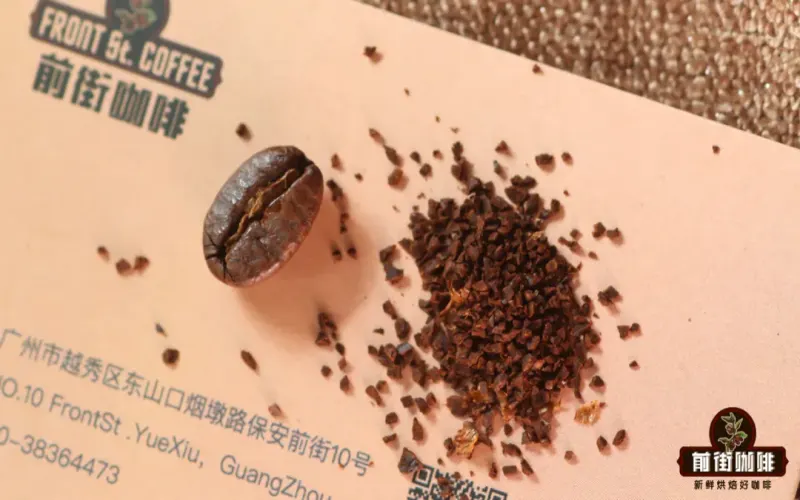
Pour Over, Cold Brew, Ice Drip, Moka Pot, and Espresso: Grind Size Selection for Each Extraction Method and Analysis of 20-Mesh Sieve Pass Rate
Grind size is one of the core parameters determining the success or failure of coffee extraction, but the coarseness of coffee grounds is difficult to describe with intuitive numerical values, so sieve passing rate has become a more precise way to communicate. In this article, Front Street will systematically sort out the suitable grind levels for pour-over, cold brew (cold immersion and ice drip), French press, clever cup, moka pot, and espresso machine, and provide specific passing rate references for the No. 20 Chinese standard sieve. Whether you are a beginner who has just started or a veteran player looking to calibrate your grind, you can find corresponding parameter suggestions here. The article also specifically explains the differences between medium-light roast and medium-dark roast pour-over, adjustment methods for iced pour-over, and the reason why cold brew grind is not finer-is-better, helping you avoid common pitfalls and brew a full-flavored good cup of coffee. [more…]
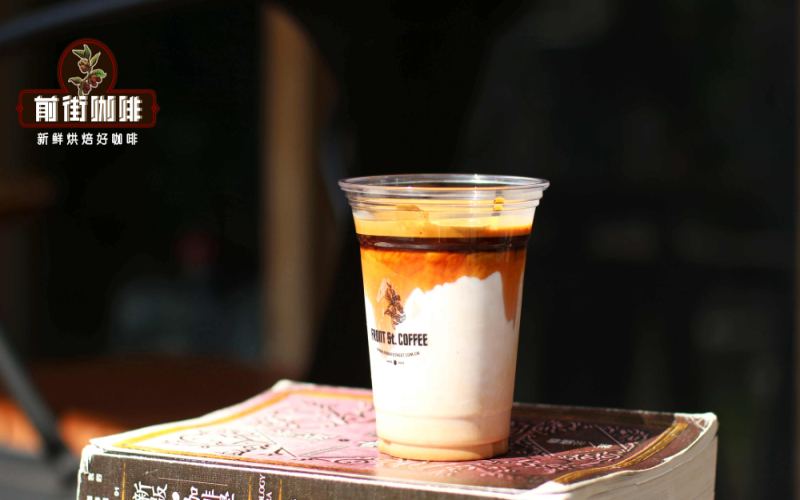
Why do iced coffees vary in cup volume when ordered without ice? Looking at the logic of topping up after removing ice in Americanos, Lattes, and Cappuccinos
When ordering an iced espresso drink without ice at a coffee shop, some people receive a full cup, while others get only a seven-tenths-full cup, or even half a cup. This difference in volume is not accidental, but is closely related to the store's business philosophy, recipe ratios, ice quality, and the concentration of the coffee beans and milk. Starting from the production practices at Front Street Coffee, this article analyzes why iced coffee drinks such as Americanos, lattes, and cappuccinos end up with different cup volumes after the ice is removed, and how adding water or milk after removing the ice affects the coffee's concentration, taste, and mouthfeel, helping coffee enthusiasts understand the logic of trade-offs behind a cup of ice-free coffee. [more…]
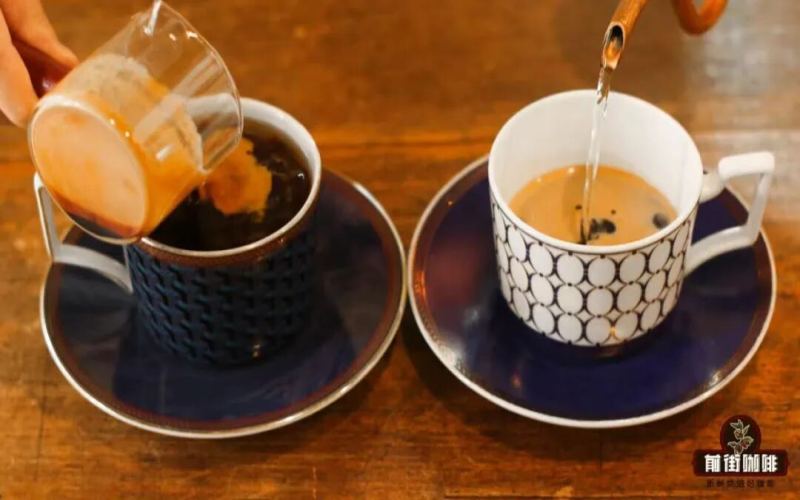
Fancy Ways to Drink Americano | Can You Make Latte Art with Americano? Does Americano with Milk Taste Good? Isn't a Long Black the Same Drink as an Americano?
As everyone knows!! In espresso coffee, the combination of milk and coffee has an extremely rich variety of ways to be enjoyed. Just by slightly changing the method or parameters, milk and coffee alone can be made in countless ways. The well-known ones include latte, cappuccino, flat white, piccolo, cortado, macchiato, and so on and so forth. And on the other hand, [more…]
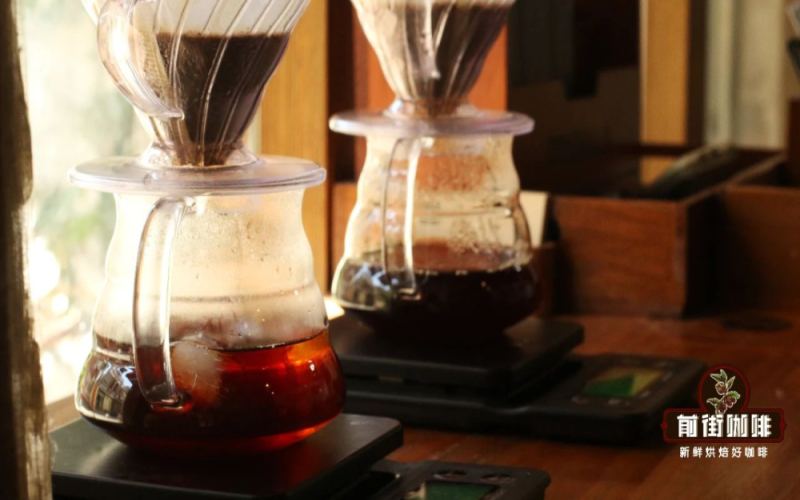
Iced Pour-Over Coffee Brewing Guide: Grind Size, Coffee-to-Water Ratio, and Key Differences from Hot Pour-Over
On a hot summer day, iced coffee becomes the top choice for many people to beat the heat. Although cold brew and ice drip offer outstanding flavor, they take a long time, so making a fresh cup of iced pour-over is undoubtedly a more convenient option. Many coffee enthusiasts, when watching baristas at cafés, are often curious about the coffee dose, ice-to-water ratio, water temperature, and pouring technique. Front Street Coffee has summarized a simple and practical iced pour-over formula for you: coffee grounds (fine grind) paired with 10 times hot water and 5 times ice. Compared with hot pour-over, iced pour-over requires adjusting the grind size to extend extraction because less hot water is used, avoiding insufficient flavor. This article will explain in detail the complete process and key parameters of iced pour-over, helping you easily recreate café-level iced pour-over at home. [more…]
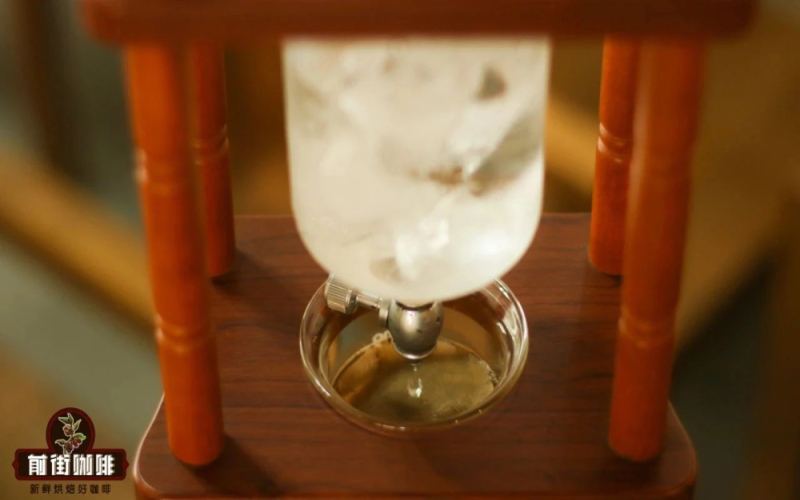
What coffee beans should you choose for cold brew coffee? How should the equipment be paired? Front Street explains the ins and outs of low-temperature extraction in detail.
Cold brew coffee has won the favor of many coffee enthusiasts with its smooth mouthfeel, clear layers, and clean, refreshing character. At Front Street Coffee, cold brew has always been a product with impressive sales performance—baristas make it fresh every day in summer, and in winter customers can also pre-order it in advance according to their preferred flavor. Its popularity stems partly from Front Street's insistence on using its own freshly roasted beans, and partly from the low-temperature extraction and subsequent oxidation steps that allow flavor molecules to be fully released. In this article, Front Street will walk you through the definition of cold brew coffee, its core characteristics, and which coffee beans are suitable for making it. [more…]
Starbucks Iced Americano Espresso-to-Water Ratio and Weight Loss Principles: A Guide to Making Front Street Strawberry Candy Blend
Americano has always been regarded as the most basic yet classic coffee category. A glass of iced Americano paired with a cozy, artistic café is enough to sustain a leisurely afternoon. But is Americano really just espresso plus water plus ice? How does temperature change affect flavor perception? What ratio of ice to water should an iced Americano follow? Starting from the principles of making Americano, this article combines the specific performance of Front Street Coffee's Strawberry Candy Espresso Blend coffee beans to break down in detail the flavor differences between hot and iced Americano and the standard preparation process, while also exploring the relationship between drinking Americano and weight loss, providing coffee lovers with a reference that is both practical and professional. [more…]
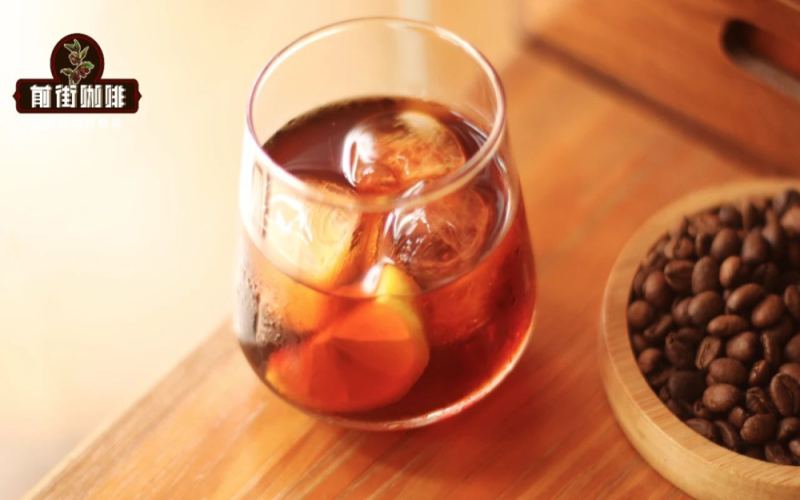
Iced Pour-Over Coffee Brewing Guide: Water-to-Coffee Ratio Formula and Detailed Pulse Pouring Techniques
On a hot summer day, a cup of refreshing iced pour-over coffee that doesn't compromise on flavor is a favorite among many coffee lovers. But to make iced pour-over present a fruity, sweet-and-tart layered complexity, the key lies in mastering the correct ratio of coffee grounds, water, and ice, as well as the extraction technique. This article focuses on the universal iced pour-over formula summarized by Front Street—coffee grounds paired with 10 times hot water and 5 times ice—breaking down in detail the complete workflow from grind adjustment and three-stage pouring to one-pour iced pour-over, and explaining why, once the amount of hot water poured is reduced, the grind must be made finer to compensate for extraction time, helping you easily make a cup of iced pour-over with both the right strength and flavor. [more…]
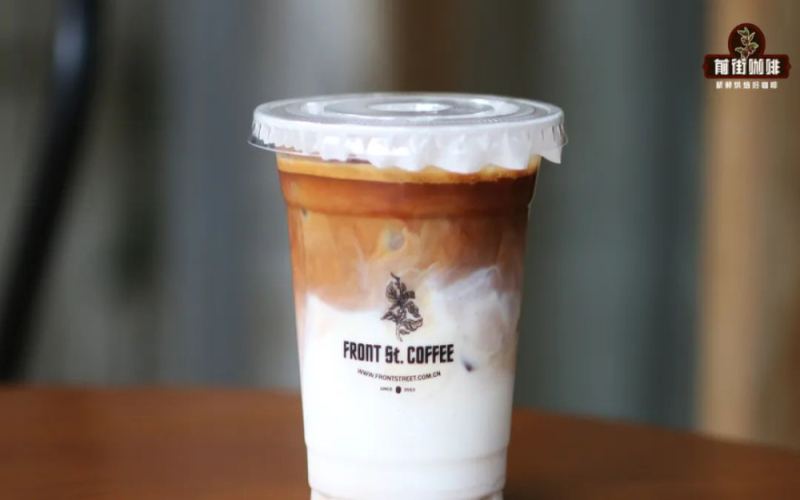
How to Make an Ideal Iced Latte? An Analysis of Espresso, Milk, and Ice Ratios and Key Operational Points
At first glance, iced latte seems to require nothing more than pouring ice cubes, milk, and espresso into a glass in sequence, but to truly make a delicious iced latte, everything from ingredient selection to ratios to operational details involves considerable know-how. This article focuses on three key aspects: first, how to choose the right coffee beans and milk; second, the reasonable proportions among espresso, milk, and ice cubes; and third, the operational details to pay attention to during extraction and assembly. The article uses specific data as examples to illustrate the approach to ratios and offers flexible adjustment suggestions to help coffee enthusiasts make a well-balanced iced latte at home. [more…]

Cold Brew Coffee Bean Selection Guide: Flavor Profile and Complete Brewing Process of Yirgacheffe Gudingding
Cold brew coffee, through its low-temperature slow extraction method, can effectively avoid the release of bitter compounds while enhancing the extraction efficiency of aromatic substances, ultimately presenting a unique taste that is rich yet not bitter. If coffee beans with distinct flavors are chosen, the fermented notes intertwine with fruity sweetness and acidity, and paired with the refreshing coolness of ice, it is truly a summer heat-relief weapon. This article will start from the idea of bean selection, specifically analyze the flavor direction of Yirgacheffe Gedingding made into cold brew, and comprehensively sort out the key parameters used by Front Street Coffee stores, including grinding standards, powder-to-liquid ratio, drip flow rate, and fermentation time, providing practical reference for coffee enthusiasts who want to replicate a high-quality cold brew at home. [more…]

What kind of coffee dessert is Affogato? A complete tutorial on the authentic Italian method and espresso extraction
When you want both coffee and ice cream after a meal, Affogato satisfies both cravings perfectly. This classic Italian dessert looks simple to make, but behind it lie the differences between Italian gelato and American-style ice cream, the extraction parameters for espresso, and moka pot alternatives. This article starts with the definition of Affogato, explains gelato's characteristics in fat content, air content, and serving temperature, then presents common ways coffee shops serve it, and offers two home preparation paths using espresso and a moka pot. Finally, it includes Front Street Coffee's recommended blend beans and extraction advice, helping you make an Affogato at home with a texture close to tiramisu. [more…]

A Detailed Guide to Espresso Ratios: How to Make Lattes, Cappuccinos, and Cold Brew
The charm of espresso lies in the clever ratio of espresso to milk; different proportions create the distinctly different flavor profiles of classic drinks such as latte, cappuccino, and mocha. However, each coffee shop has its own blending approach, and even the same coffee can show subtle variations when paired with different beans. This article systematically sorts out the blending ratios of common espresso drinks, including the specific recipes for latte, cappuccino, and mocha, and combines Front Street Coffee's practical experience to provide detailed parameters for home brewing. In addition, the article extends to the field of black coffee, comparing the preparation processes, coffee-to-water ratios, and flavor differences of Americano, ice drip, and cold brew, helping coffee enthusiasts find the cup that best suits their personal taste preferences. [more…]
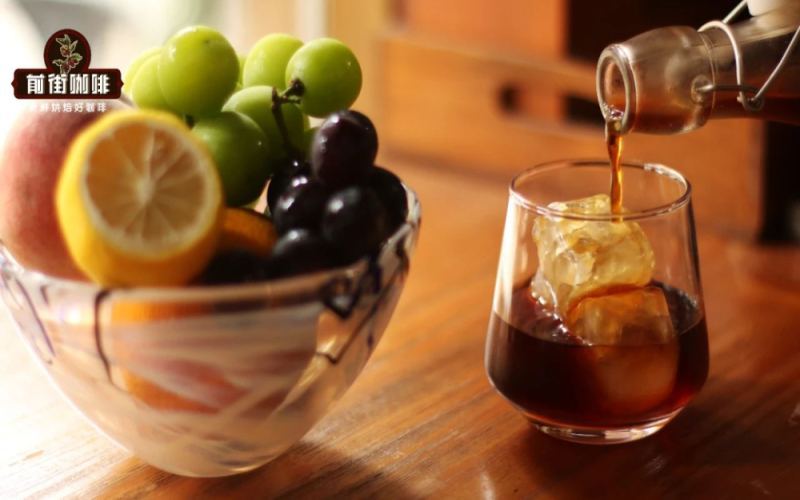
From Extraction Methods to Flavor Presentation: An In-Depth Analysis of Iced Americano, Cold Brew, and Cold Drip Coffee
In the heat of summer, iced coffee becomes the top choice for many. From the perspective of Front Street Coffee, this article systematically analyzes three popular iced drinks—iced Americano, cold brew, and ice drip coffee—covering their extraction processes, flavor characteristics, and practical brewing methods. Iced Americano uses hot water for rapid extraction plus ice, making it quick but relatively light in flavor; cold brew uses low-temperature long-time immersion to amplify purity; ice drip relies on cold water slowly filtering drop by drop to produce a smooth mouthfeel. The article not only details the specific steps for making iced Americano with Front Street Coffee's own Sunflower Warm Sun blend, various cold brew packs, and Sherry bean cold brew, but also reveals the ice drip blend recipes for single-origin beans such as Kenya, Huakui, and Sherry, providing coffee lovers with a professional and practical guide to summer cold drinks. [more…]